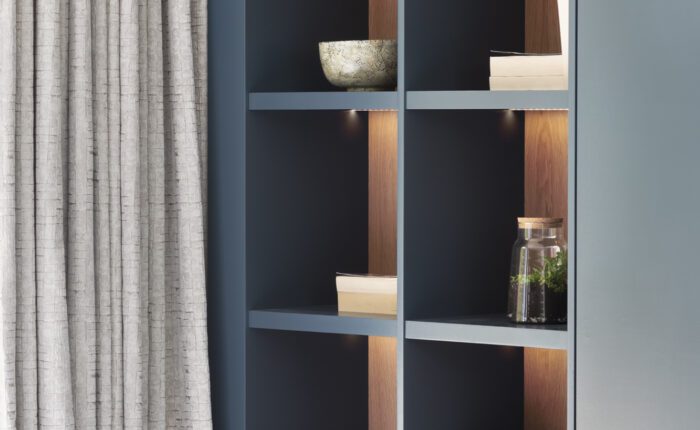
In the course of our design projects at Harmony Design Ltd., we often encounter rooms or zones within luxury homes that receive minimal natural light – think internal corridors, downstairs cloakrooms, under-stair spaces, or secondary living areas on the north side of the house. As interior designers with a strong focus on inclusive and restorative environments, we understand that given the right approach, those “dim” spaces don’t have to feel neglected or barren. One of our favourite strategies is to bring life, calm and texture into these areas via indoor plants that thrive in low light.
In this blog post we’ll explore:
Why shade-tolerant plants matter in luxury, inclusive homes.
The key attributes to look for when choosing low-light plants (and what “low light” actually means).
Our top picks – including how to integrate them into your bespoke spaces.
Practical care tips and how to treat these plants as part of a high-end living environment.
Planting is no longer simply decorative. The presence of living greenery plays a significant role in wellbeing, mood and the perception of space. According to Royal Horticultural Society (RHS), indoor plants support both psychological and physical health: improved mood, reduced stress, better attention span and even increased pain-tolerance have been linked to indoor greenery.
For homes designed for inclusive living – where sensory comfort, ease of navigation and visual calm are fundamental – plants that perform well in low light are a smart move. They help transform under-used, dark corners into purposeful spaces that feel curated and intentional rather than simply utilitarian.
In the context of higher-value finishes, the plants themselves can act as natural sculpture – their form, texture, silhouette and pot finish contribute to the overall layering of a space. For example: a tall, upright leaf of a snake plant juxtaposed with a soft lounge fabric; a cast iron plant in a niche anchors a hallway; a trailing Pothos adds movement over a floating shelf. When integrated with inclusive design in mind (for instance, ensuring visual contrast, tactile interest and minimal maintenance), they elevate the environment.
“Low light planting” doesn’t mean “no light”. According to experts, truly low-light rooms are typically those more than about 3 metres (10 ft) from a window, north-facing rooms, spaces whose windows are blocked or shuttered, or areas with no direct sunlight.
As noted in horticultural guides:
They tend to have larger or thicker leaves, enabling them to capture more diffused light.
They have slower growth and a lower metabolic rate, meaning they handle shade and less frequent watering better.
They may originate from forest floor habitats (in their native ecosystem) with filtered light, so they are pre-adapted for shaded interiors.
Positioning: Choose the best available ambient light (even indirect) and avoid putting plants in total darkness.
Watering: In a low-light environment the soil stays moist longer — plants are more vulnerable to overwatering and root-rot.
Quality of foliage: In very low light, variegated leaves may lose their pattern or become leggy; solid dark green leaves often perform better.
Maintenance: Especially in luxury settings, the plant should look healthy and fresh; limp or stretched leaves undermine the aesthetic.
Here are our top five plants that excel in low-light or shaded conditions.
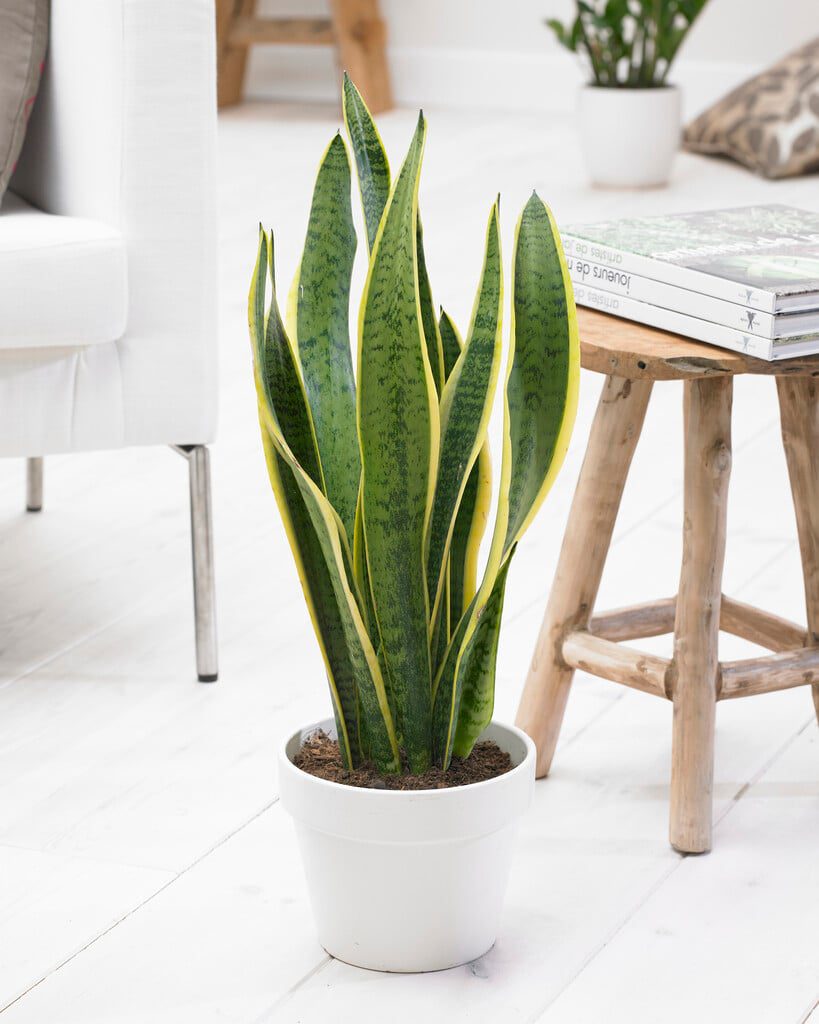
3.1 Snake Plant
Extremely hardy and tolerant of low light.
It is a succulent-type plant: allow the soil to dry fully between waterings. Overwatering is the most frequent error.
Design tip: Use a tall architectural ceramic or metal planter to accentuate its upright form; ideal for stairwells or corners where light is limited but height can be leveraged. Its minimalistic verticality suits masculine and family-homes alike.
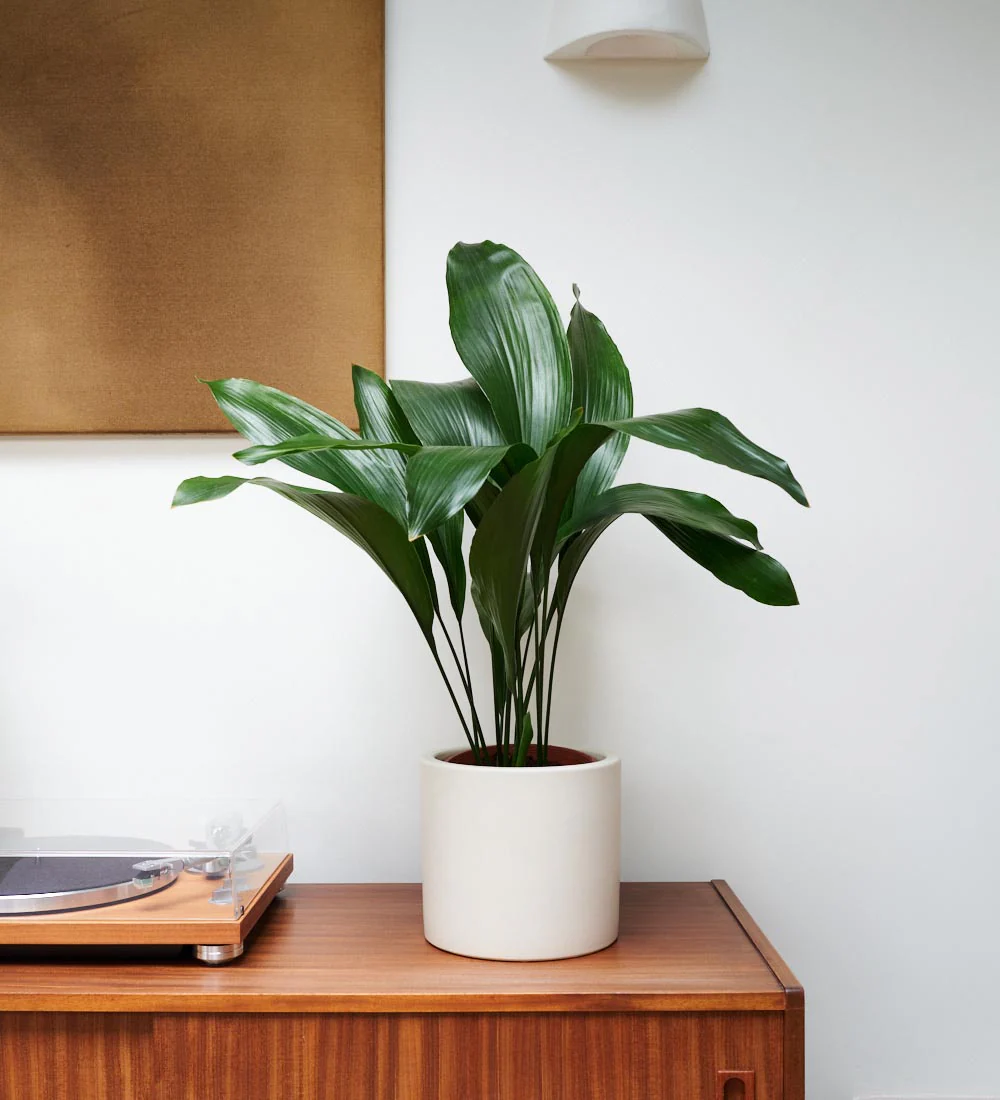
3.2 Cast Iron Plant (Aspidistra)
The name reflects its robustness: can handle neglect, drought, and very low light.
Perfect for tricky spots: under-stairs storage areas, hallways, basements, or attached to architectural niches where little natural light reaches.
Design tip: Use in a simple statement-planter for subtle drama.
3.3 Peace Lily (Spathiphyllum)
A classic shade-loving indoor plant: glossy green leaves and (if light allows) elegant white blooms.
Helpful in inclusive homes: as part of “quiet” spaces or relaxation zones, the plant’s form adds softness.
Design tip: Since the blooms benefit from a little indirect light, consider positioning near (but not directly in) a softly lit window.

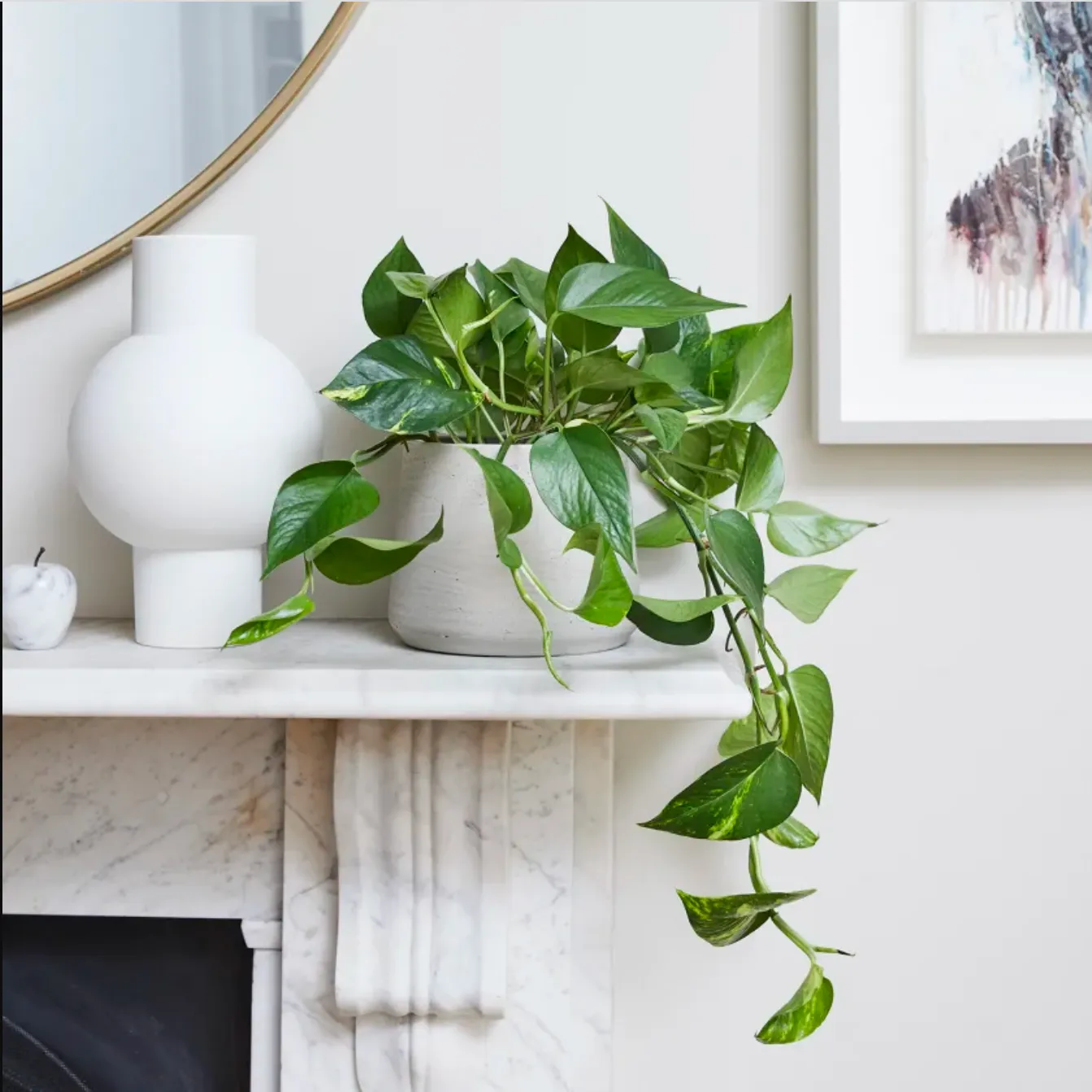
3.4 Pothos (Devil’s Ivy)
Adaptable and forgiving: will grow in a wide range of conditions including low light.
Design tip: Use as a trailing or climbing plant, over a shelf, into a frame, or cascading from a mezzanine into a darker space. Choose a planter that matches your interior palette (e.g., brass, stone, textured concrete) and let the plant soften the architectural lines.
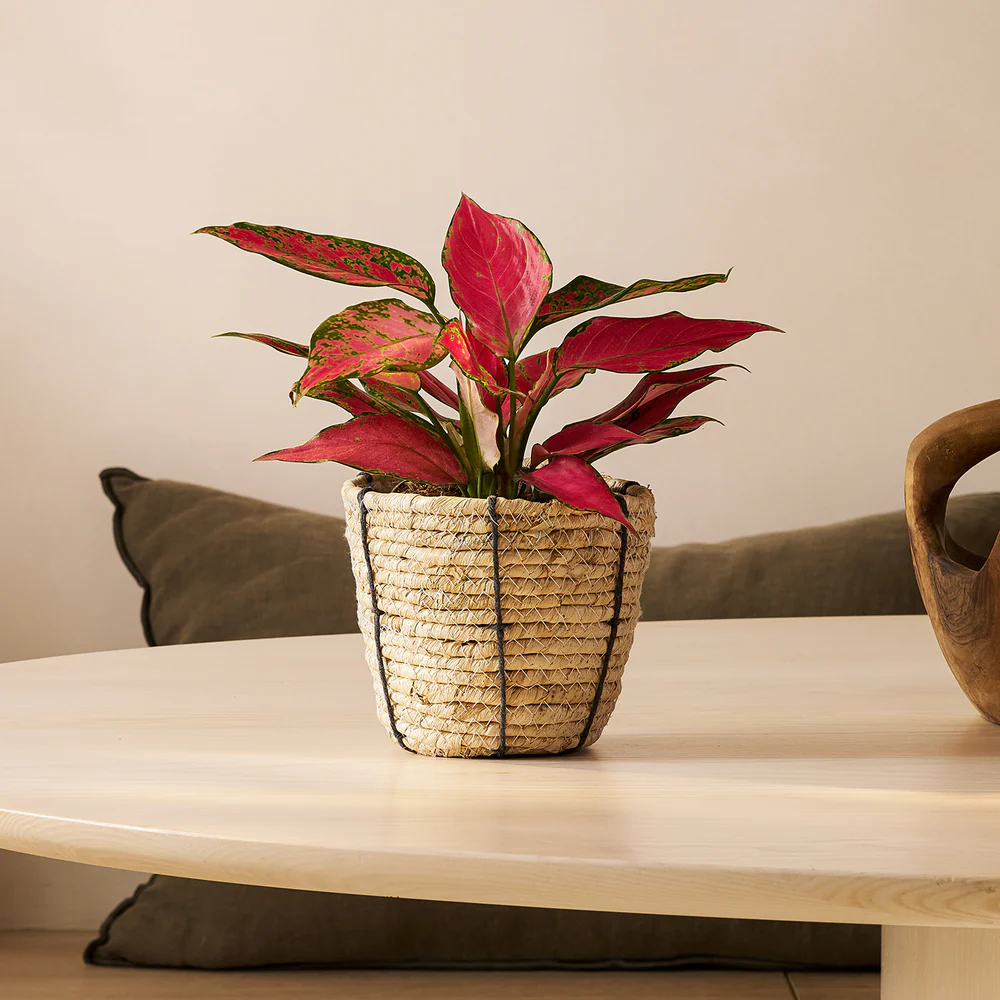
3.5 Chinese Evergreen (Aglaonema)
Offers decorative foliage: some varieties have bright green, pink, red or variegated leaves, giving colour and interest even in dimmer conditions.
Design tip: Use as a feature plant in a low-light room where you still want a splash of colour.
Here are some design-forward tips for specifying and maintaining low-light plants in high-end homes with inclusive design in mind.
Choose containers that reflect the overall material palette of the home, e.g., brushed bronze, fluted ceramics, textured stone or bespoke metalwork. Elevate the planter on low plinths or sleek wheels if mobility access is required. Leave enough space around the plant for cleaning and maintenance.
Situate plants so they don’t obstruct circulation (wheelchairs, walker frames).
Ensure visual access: consider seated-eye level or standing-eye level depending on space.
Use plants to soften acoustic reflections (large glossy leaves help absorb sound) and add texture and depth to walls or corners.
Check soil moisture: Less light means slower drying, water less often — check the top 1-2 cm of soil before watering.
Avoid overwatering: especially for succulents like snake plant.
Dust leaves: Dark ambient light highlights shiny leaves; keep them clean so they capture what little light is available.
Rotate plants occasionally so one side doesn’t lean towards the light and become lopsided.
Maintain ambient conditions: avoid placing plants in very cold or drafty zones, or right beside heating-grilles. Some “low-light” spaces may still suffer from poor temperature or humidity which undermines plant health.
Leggy or stretched growth is a sign that the plant is searching for more light – consider moving it closer to a window or supplementing with indirect artificial light.
Yellowing leaves can indicate overwatering or lack of light. In very dark corners, some plants may survive but not flourish (so accept slower growth).
For blooming plants (e.g., Peace Lily): low light may mean no flowers, but acceptable if the foliage is healthy.
Use a dramatic oversized snake plant in a matt planter at the base of a floating staircase in a slim stair-well.
Create a “serenity nook” in a lower-lit family zone: a pair of cast iron plants flanking a textured wall-panel, with a low lounge chair – perfect for a quiet moment.
In an ensuite bathroom (where windows might be small): use a spider plant in a hanging planter over a vanity to soften the space and add living texture.
In a dark home-office or study (commonly north facing): position a Chinese evergreen behind the desk at high level so that the colourful leaves provide visual interest out of the peripheral view whilst not interfering with screen glare.
Low-light indoor plants are not “default” or “filler” elements — when chosen and placed thoughtfully, they deliver texture, life and calm to areas that too often feel overlooked. For luxury homes where every zone is curated and every member of the household needs to feel welcome, they offer a meaningful contribution.
If you have a particular room in one of your projects (say a basement snug, a north-facing corridor, or a partitioned home-office) and you’d like help selecting the best low-light plant strategy — from species to pot specification to styling and care regime — we’d be delighted to help. At Harmony Design Ltd., we’re as passionate about the quiet corners as we are about the grand double-height spaces.
Call me, Jo x