As women, our homes are more than just a place to live — they’re sanctuaries that hold us through every phase of life. From the emotional ebb and flow of PMT to the hormonal fluctuations of perimenopause and menopause, our surroundings can deeply affect how we feel. Many of us invest time and energy in our health — diet, exercise, supplements — but rarely do we consider how our environment impacts our hormones. Yet, your home’s layout, lighting, temperature, and materials can play a powerful role in supporting or disrupting hormonal balance.
At Harmony Design Ltd, we believe in creating spaces that don’t just look beautiful; they feel good to live in. Whether you’re struggling with sleep, mood swings, temperature sensitivity, or sensory overload, hormone-supportive home design can help restore balance, calm, and comfort. It’s about aligning your environment with your body’s natural rhythm, making everyday living easier, gentler, and more restorative.
In this article, we’ll explore how thoughtful interior design can support women’s well-being through PMT, perimenopause, and menopause. From colours that calm cortisol to materials that regulate temperature and layouts that encourage rest, you’ll learn how to design a home that truly nurtures your hormonal health.
This isn’t about making drastic changes — it’s about subtle shifts that transform your daily experience. Whether you’re at the start of your perimenopause journey or navigating full menopause, your home can become a powerful ally in balancing hormones and restoring your sense of ease.
Welcome to the world of hormone-supportive home design — where beauty meets biology.
Our hormones affect almost every aspect of how we feel — from sleep to stress levels, focus, and emotional stability. When these hormones fluctuate, as they do during PMT, perimenopause, and menopause, we often experience symptoms like fatigue, irritability, anxiety, and hot flushes.
But here’s what’s rarely discussed: your environment can either soothe or amplify these symptoms. Bright lighting, clutter, synthetic scents, poor air circulation, or harsh materials can overstimulate your senses and trigger stress responses. On the other hand, natural textures, calming colour palettes, good ventilation, and mindful lighting can help reduce cortisol (the stress hormone) and support serotonin and melatonin production — vital for emotional balance and sleep.
Hormone-supportive home design focuses on creating a living environment that works with your body, not against it. Think of it as designing for well-being — using interior design principles grounded in psychology, sensory comfort, and natural balance.
Cortisol — our primary stress hormone — tends to spike during hormonal fluctuations, especially in perimenopause and menopause. A hormone-supportive home design starts with finding ways to lower those cortisol levels through your surroundings.
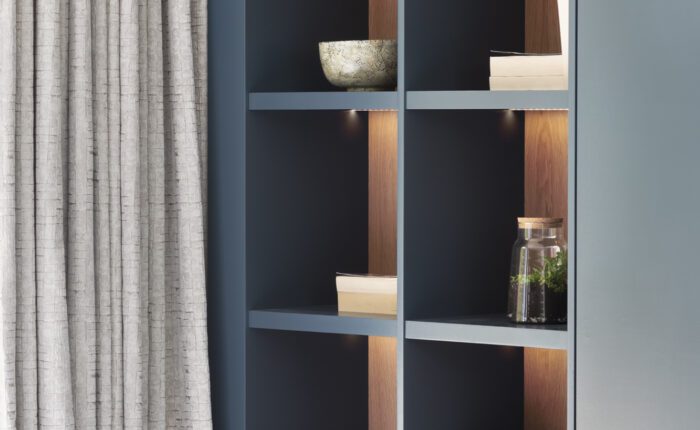
Declutter for clarity: Visual clutter leads to mental clutter. Keep surfaces clean and organised. Use built-in storage or bespoke cabinetry to hide visual noise and create calm.
Choose calming colours: Soft neutrals, warm whites, gentle greens, and muted blues lower stress and blood pressure. Avoid harsh contrasts and high-saturation colours that can overstimulate.
Integrate nature: Biophilic design — using natural materials, plants, and natural light — reduces stress by connecting you to nature. Even a small indoor plant collection can stabilise mood and purify the air.
Create sensory balance: Avoid overstimulation with too many patterns, synthetic materials, or harsh lighting. Opt for tactile softness — linen, velvet, or wood grains that invite touch and calm the senses.
When your home feels serene, your body follows suit.
Lighting plays a huge role in regulating circadian rhythms — the body’s internal clock that governs sleep, mood, and hormone release. During perimenopause and menopause, disrupted sleep and mood changes are common, often linked to light exposure.
A hormone-supportive home design prioritises layered, adjustable lighting:
Daylight matters: Maximise natural light during the day. It supports serotonin production, improving mood and focus. Use sheer curtains and reflective surfaces to bounce light around.
Evening lighting: In the evening, reduce blue light and use warmer tones to promote melatonin release. Dimmer switches, warm LED bulbs, and wall lights help signal to your body that it’s time to wind down.
Bedroom lighting: Avoid overhead lights before bed. Use soft bedside lamps with warm hues or motion-sensor night lights to avoid disrupting sleep when you wake at night.
Even subtle lighting adjustments can dramatically improve energy, focus, and restfulness — crucial during hormonal transitions.
Temperature regulation becomes a daily challenge during menopause. Hot flushes, night sweats, and overheating are common, and the wrong home environment can make them worse.
Hormone-supportive home design focuses on temperature balance through materials, airflow, and smart design:
Breathable materials: Choose natural fibres like cotton, linen, bamboo, or wool for bedding, upholstery, and curtains. They allow airflow and wick away moisture.
Layered textures: Instead of one heavy blanket, layer lighter ones you can remove easily during the night.
Smart ventilation: Good air circulation is essential. Ceiling fans, operable windows, and well-placed vents maintain a steady temperature.
Cooling zones: Create cool spaces — perhaps a reading nook with a cross breeze or a shaded outdoor area where you can retreat during a flush.
Your comfort is non-negotiable, and design can make temperature fluctuations far less intrusive.
Colour psychology has a profound impact on hormones and mood. Certain hues influence the production of neurotransmitters like serotonin and dopamine, helping to balance emotional highs and lows.
Here’s how to use colour in hormone-supportive home design:
Soft pinks and blush tones promote warmth and self-compassion, perfect for bedrooms or relaxation areas.
Greens and earthy tones ground the mind and soothe anxiety.
Warm neutrals like taupe, stone, or sand create a nurturing sense of safety.
Blues and muted teals reduce heart rate and anxiety.
Avoid using too many cold greys or stark whites — they can feel sterile and emotionally flat. Instead, create subtle depth with tonal layering: think soft clay walls, textured fabrics, and warm wood finishes.
Sleep disruption is one of the most reported symptoms of perimenopause and menopause. Good sleep hygiene starts with good design:
Blackout blinds or curtains block early morning light and help regulate melatonin.
Sound absorption: Use rugs, curtains, and upholstered headboards to soften acoustics and create tranquillity.
Soothing scent zones: Natural aromatherapy — lavender, chamomile, or sandalwood — can reduce anxiety and promote relaxation.
Technology-free zones: Keep electronics out of the bedroom to reduce EMF exposure and mental stimulation.
A hormone-supportive home design recognises that sleep is medicine — and every design choice should help you rest deeply.
Hormonal changes can bring emotional turbulence, from anxiety to overwhelm. The way your home flows can influence emotional regulation.
Flow and layout: Avoid obstructed paths and cramped corners. A clear, open layout supports mental flow.
Personal sanctuaries: Create a dedicated corner just for you — perhaps for journaling, reading, or mindfulness. Even a small space can signal emotional safety.
Texture therapy: Surround yourself with comforting textures — soft throws, velvet cushions, and natural wood. Tactile design nurtures emotional well-being.
Connection points: Hormones thrive when we feel connected. Design communal spaces that encourage family and social interaction — a cosy kitchen banquette or a living room that invites conversation.
Your home should hold space for both solitude and connection — two essentials for hormonal harmony.
Endocrine disruptors — chemicals that mimic or interfere with hormones — are often found in synthetic materials, paints, and finishes. A hormone-supportive home design reduces these toxins wherever possible.
Use natural paints with low or zero VOCs.
Opt for solid wood furniture instead of MDF, which can release small amounts of formaldehyde from its glues and resins.
Choose natural cleaning products and avoid artificial fragrances.
Add houseplants like peace lilies, spider plants, or ferns to purify the air naturally.
Your body works hard enough to find balance; your home should support that, not add to the load.
Two of the most-used spaces in any home can have a huge impact on hormonal well-being:
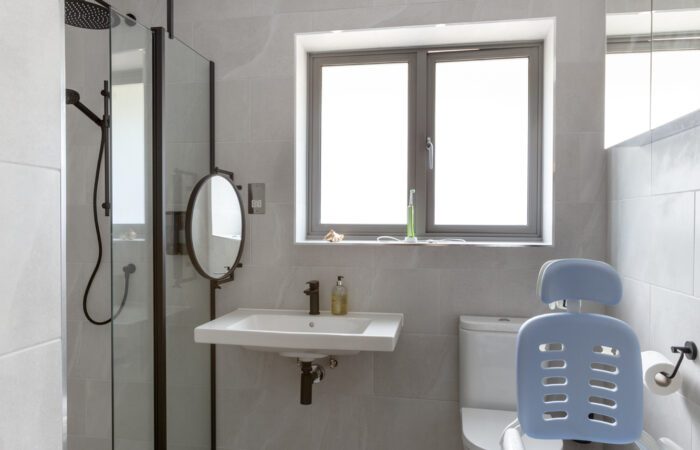
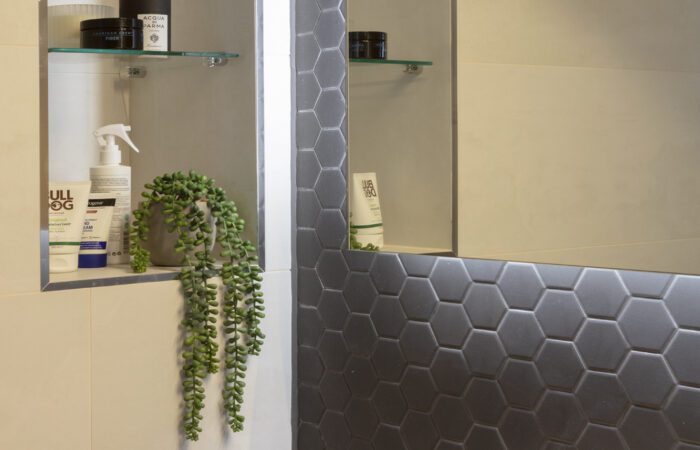
Bathrooms: Use spa-inspired design to create calm — soft lighting, gentle colour palettes, and underfloor heating that can be adjusted. Include storage to hide clutter, and use natural materials like stone or bamboo for serenity.
Kitchens: Create a nourishing space that encourages healthy routines. Consider easy-to-access storage, ergonomic layouts, and spaces filled with natural light to support good mood and digestion.
Both spaces can serve as emotional reset zones — where you begin and end your day.
Energy matters. Hormonal shifts can make us more sensitive to the emotional energy of our surroundings. This is where design meets mindfulness.
Keep only what adds value or joy — too many unneeded items can feel emotionally heavy.
Use scent, sound, and light rituals to reset your space — soft music, candles, or morning sunlight can influence your mood.
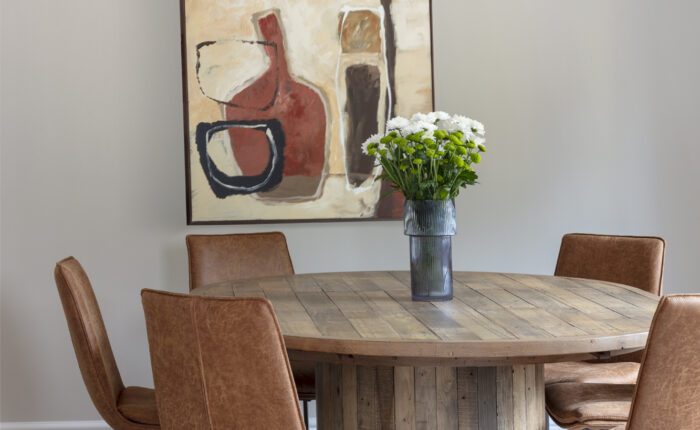
Incorporate personal meaning — artwork, photos, or keepsakes that ground you in gratitude and identity.
A hormone-supportive home design should feel like a gentle exhale every time you walk through the door.
Your home has the potential to become your most powerful wellness tool. By embracing hormone-supportive home design, you’re not just decorating — you’re creating an environment that understands, supports, and nurtures your body through every hormonal stage.
Perimenopause and menopause don’t have to feel like a battle. With thoughtful design, your surroundings can reduce stress, improve sleep, balance mood, and help you feel more like yourself again.
Every woman deserves a home that feels in tune with her — and through intentional, hormone-supportive design, that’s entirely achievable.