Artwork has a unique ability to define a space in a way that few other design elements can. It introduces personality, creates focus, and brings an emotional dimension that transforms a house into something far more individual.
Yet selecting artwork for a home, particularly at a higher level, requires more than instinct alone. Scale, palette, subject matter, and placement all play a role in how a piece is experienced within a space.
For those curating refined interiors in Dorset and the surrounding areas, the question is not simply what do I like? It is how will this piece live within my home?
This is where a more considered approach becomes invaluable.
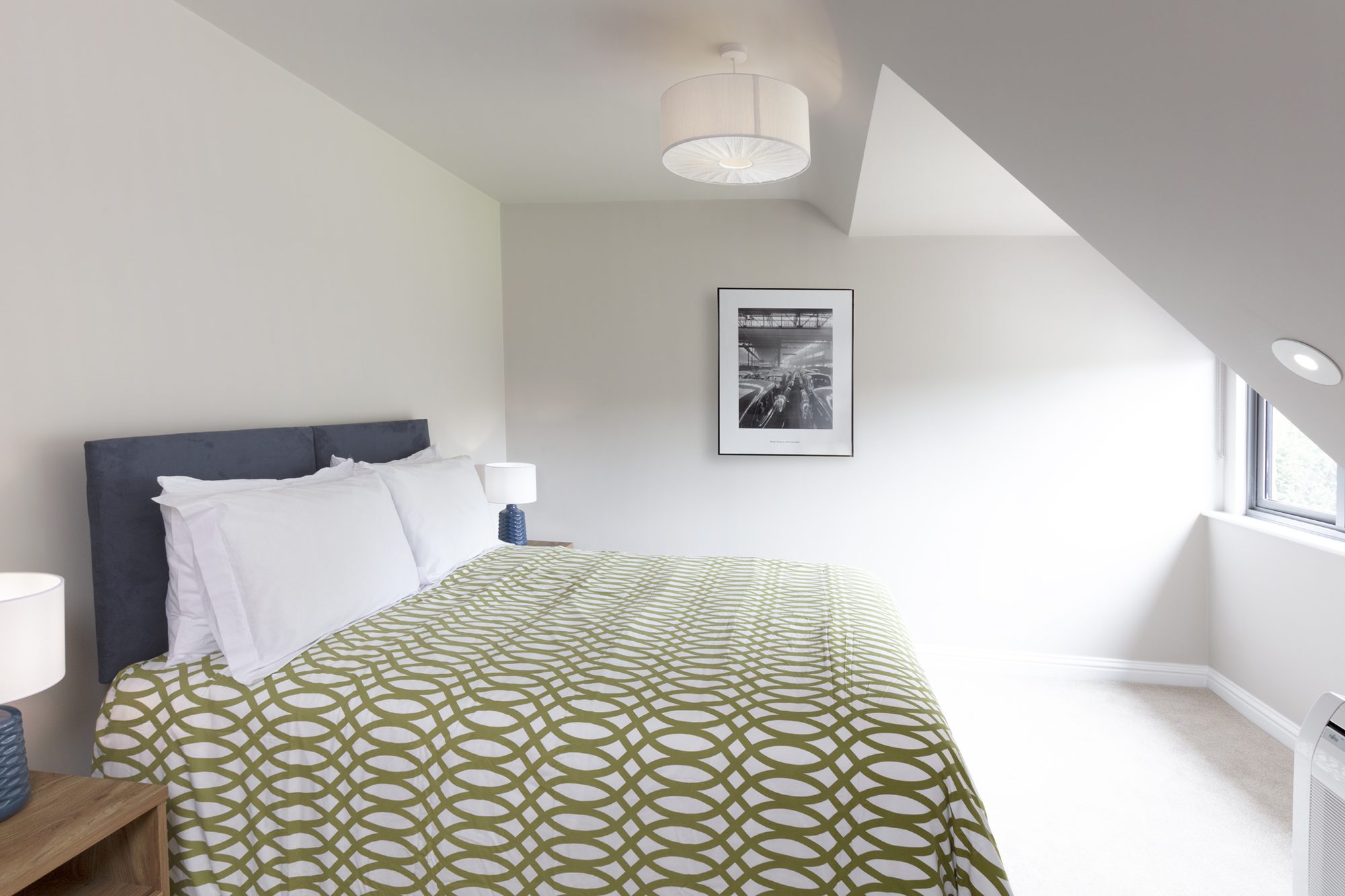
One of the most common missteps in interior design is choosing artwork that is too small for the space it occupies.
In well-proportioned homes, particularly those with generous ceiling heights or open-plan layouts, undersized pieces can feel disconnected, diminishing both the artwork and the room itself.
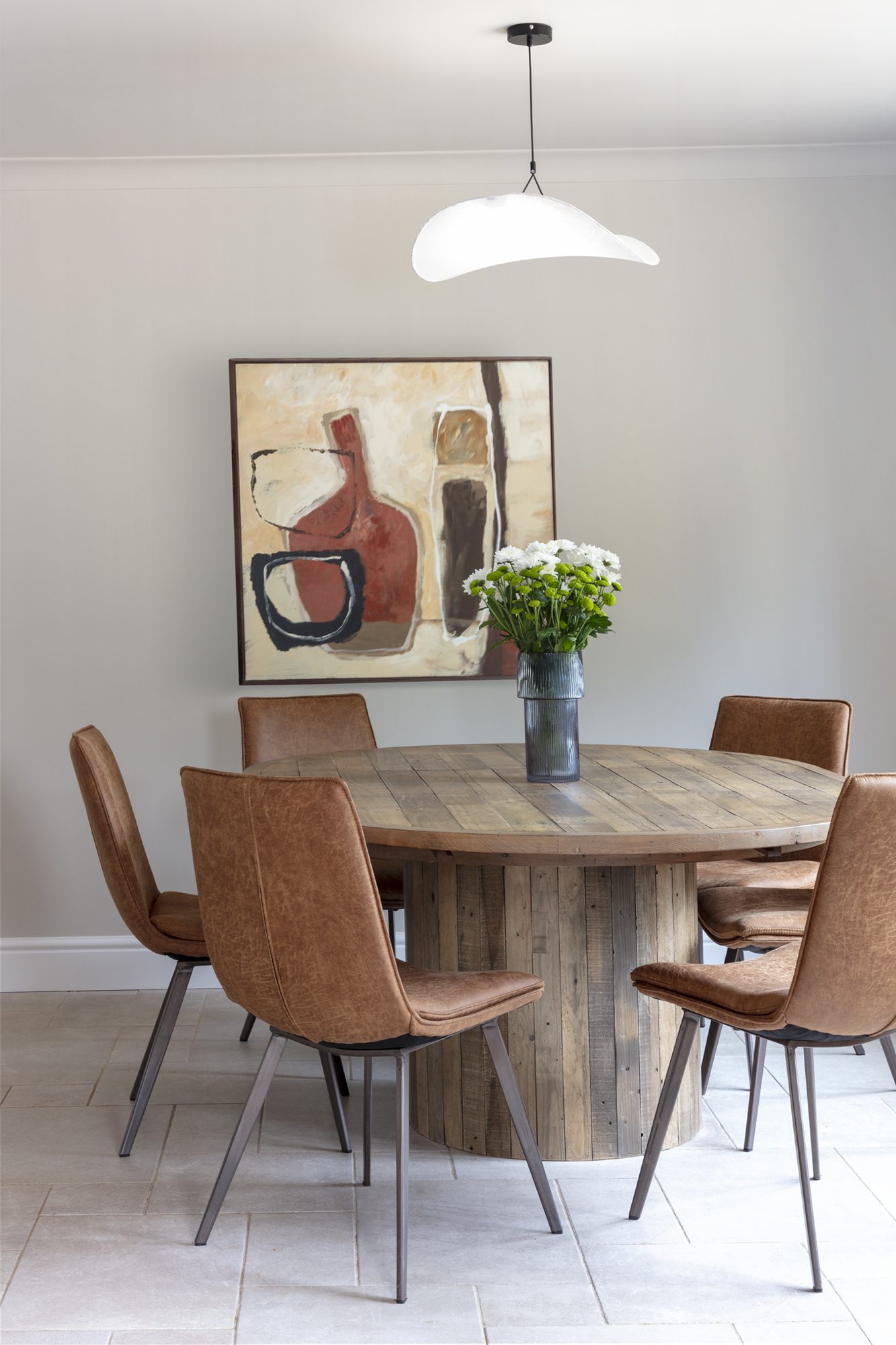
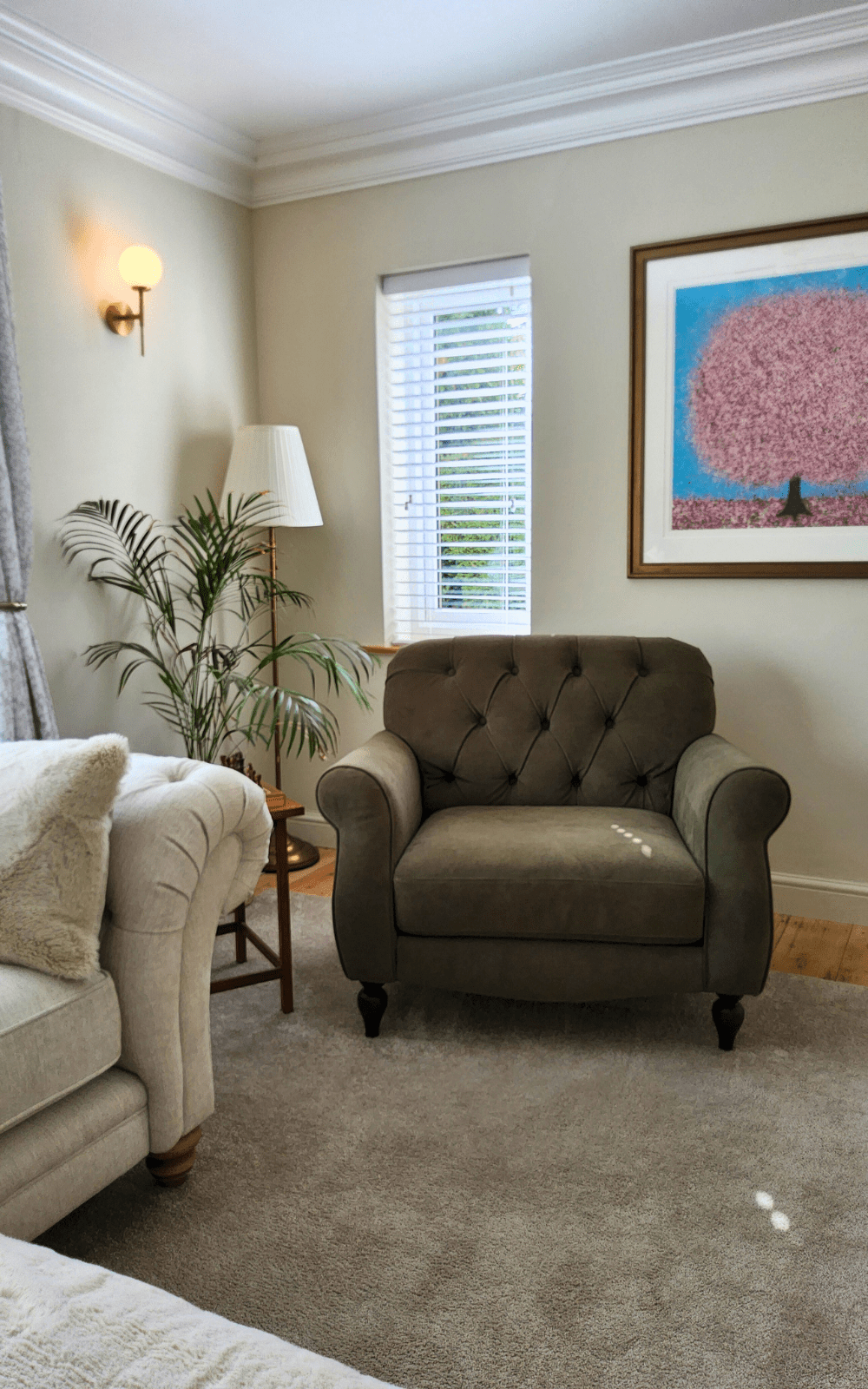
As a guiding principle, larger artwork tends to create greater impact and cohesion. It allows the eye to settle, establishing a clear focal point while reducing visual clutter, an often overlooked element in creating a calm, composed interior.
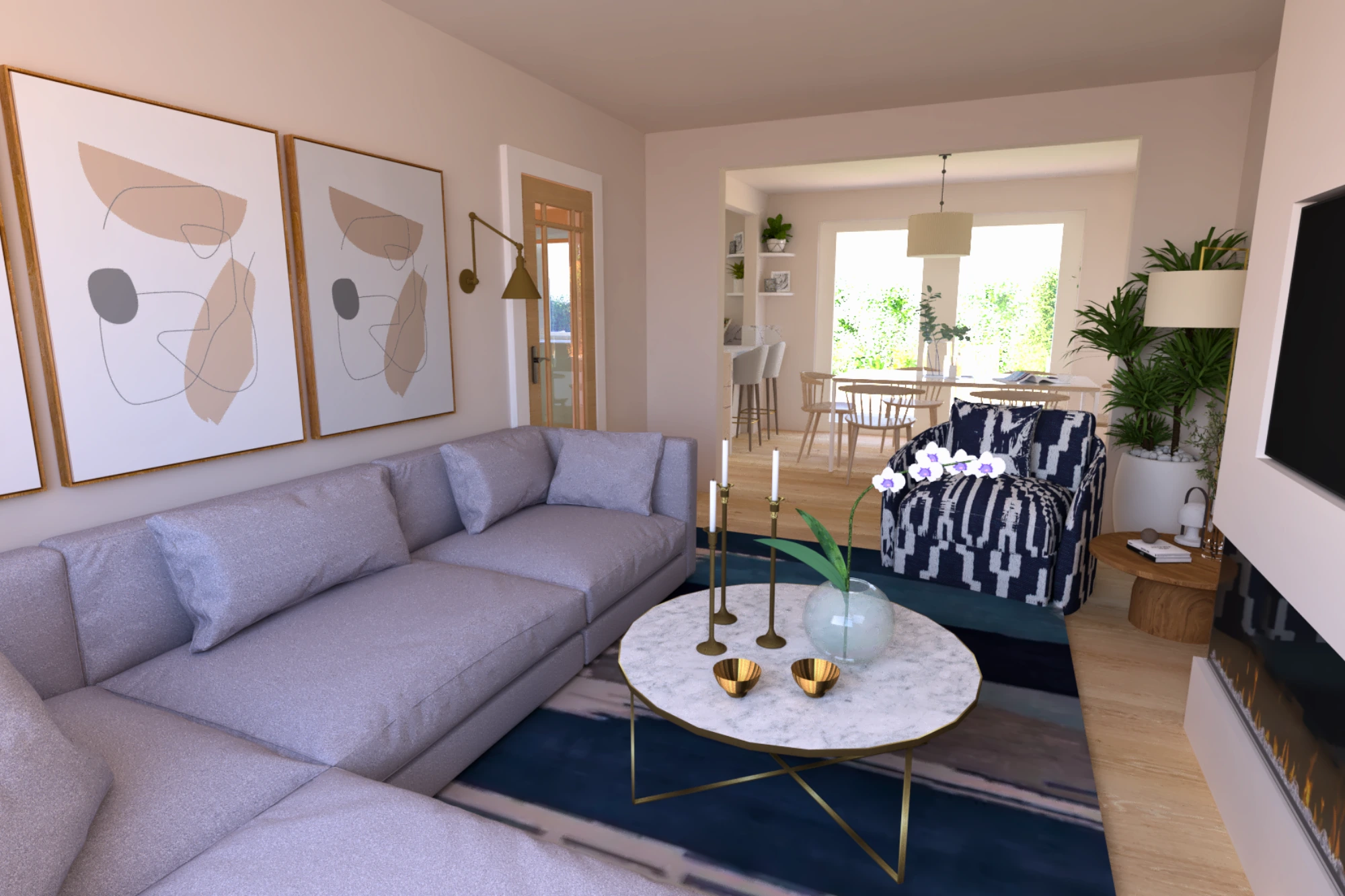
Rather than multiple smaller pieces competing for attention, a single, well-considered artwork brings clarity and stillness to a space. This simplicity can be particularly powerful in larger homes, where too many elements can otherwise feel fragmented or visually busy.
Large-scale pieces work particularly well:
In these settings, an oversized piece not only holds its own proportionally, but contributes to a more restful, intentional atmosphere, where every element has space to be appreciated.
Smaller pieces still have their place, but they benefit from thoughtful grouping.
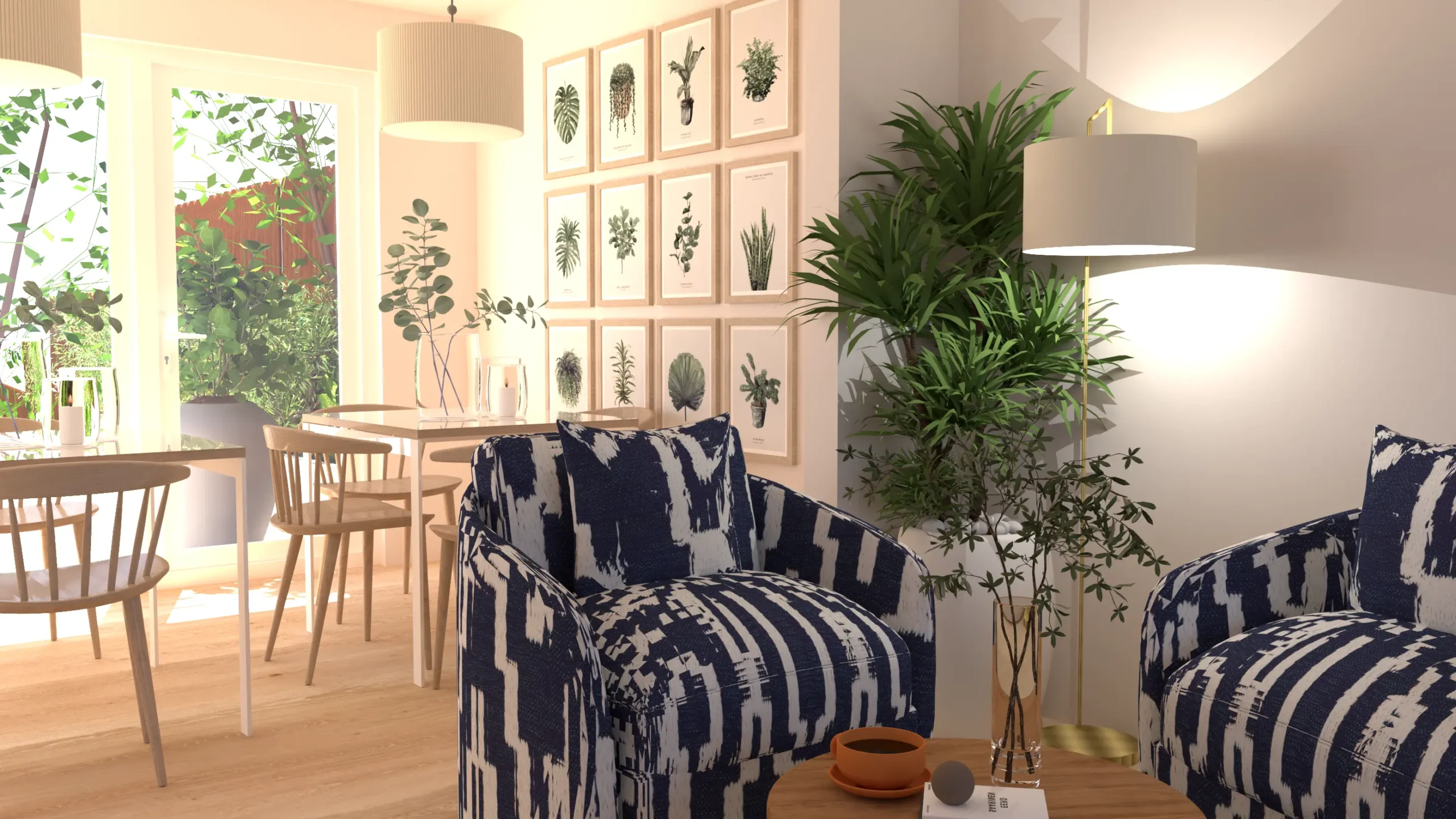
A curated gallery wall, balanced in spacing and proportion, can create interest without feeling fragmented. Alternatively, smaller works can be used in more intimate spaces such as studies, dressing rooms, or reading corners, where their scale feels intentional rather than insufficient.
Colour is one of the most powerful tools when selecting artwork, influencing whether a piece quietly complements a space or confidently defines it.
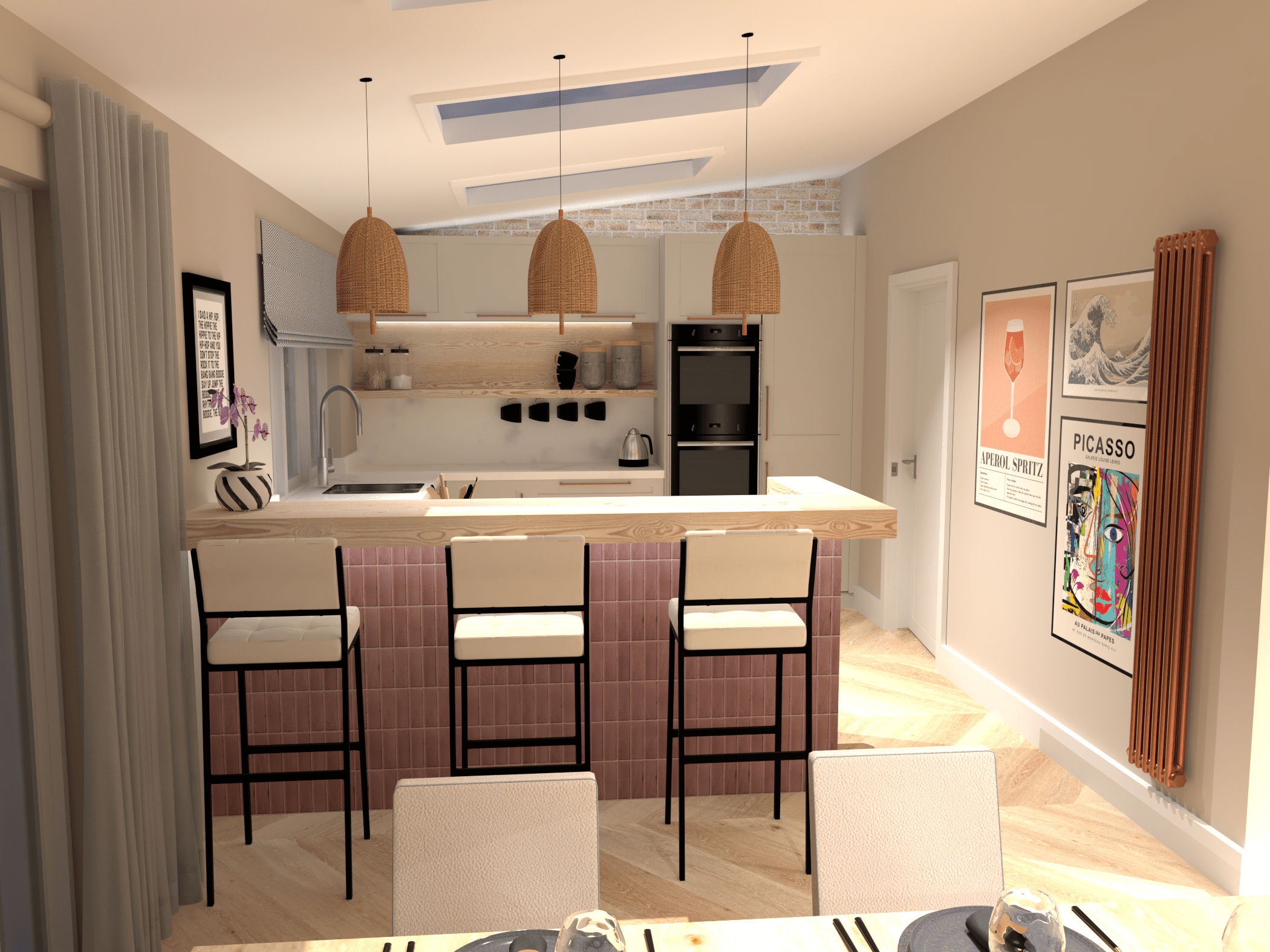
Artwork can be used to introduce contrast, drawing the eye and adding energy to a room.
This approach works particularly well in:
A bold piece, whether through colour, form, or composition, can anchor the entire design.
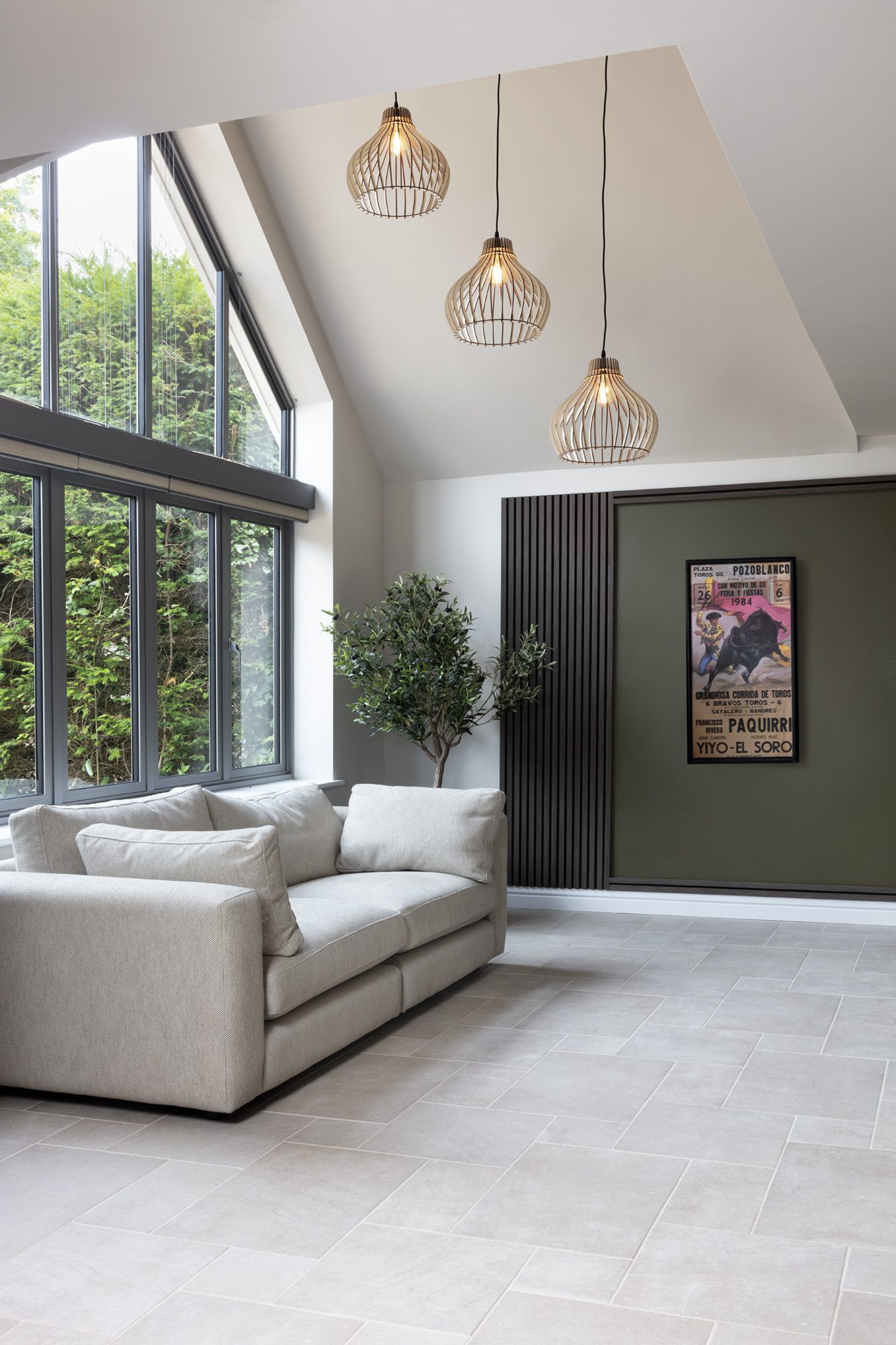
Alternatively, artwork can be selected to sit within an existing palette, reinforcing a calm and cohesive environment.
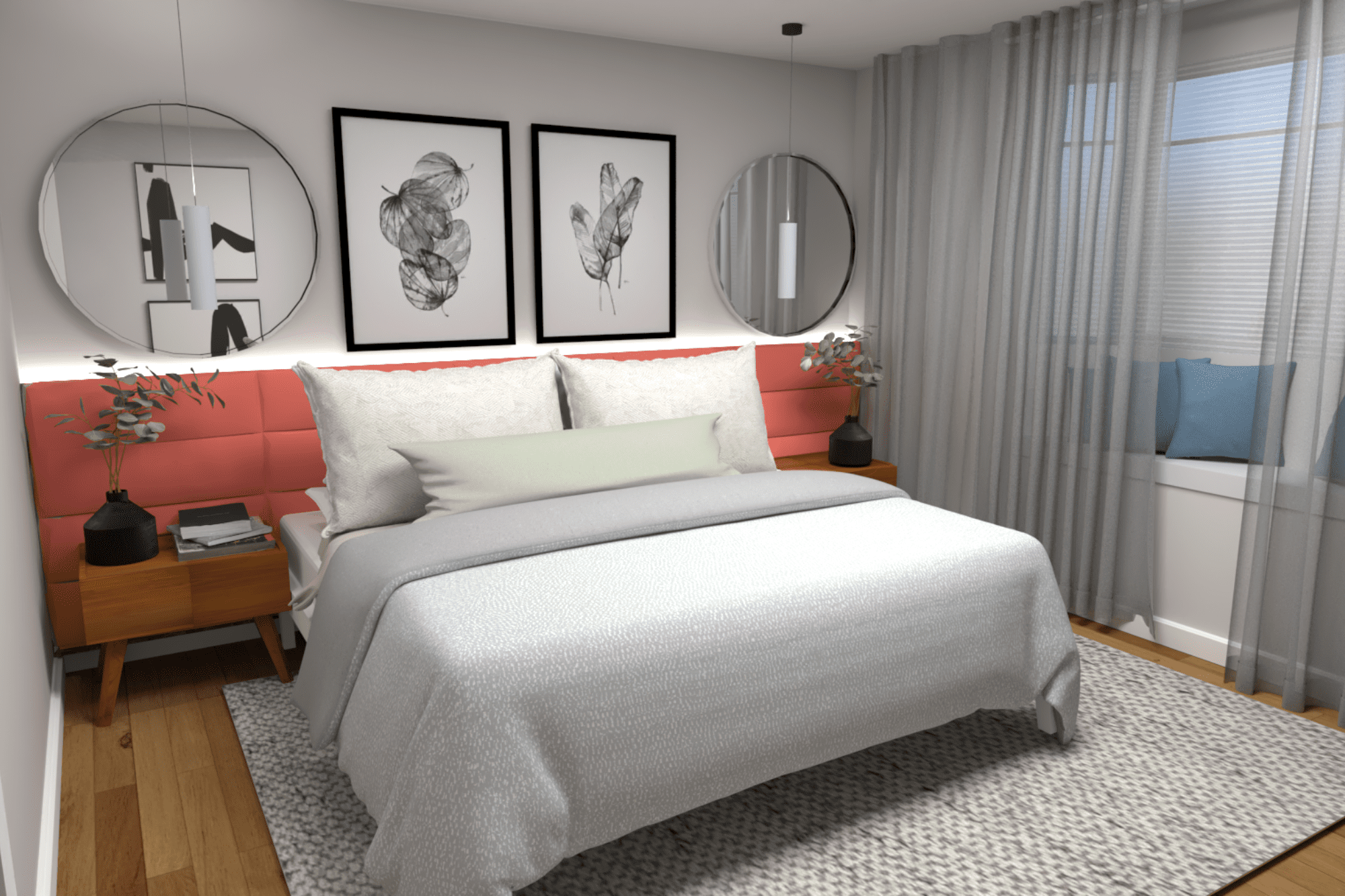
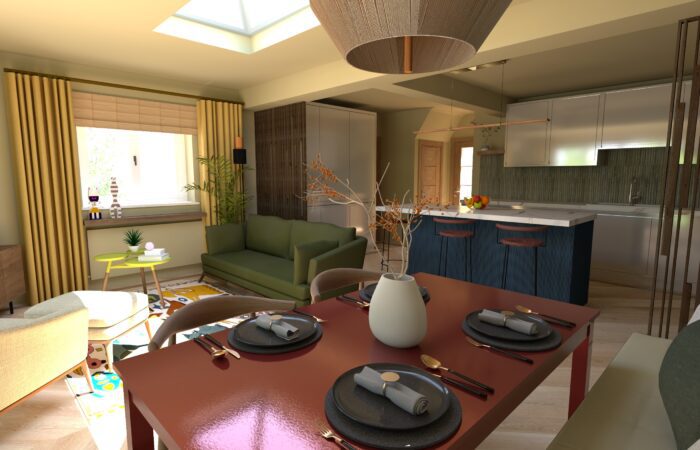
While this approach is often associated with softer, more restful interiors, it can be equally powerful within bolder schemes. In a richly coloured room, such as a space enveloped entirely in deep red tones, introducing artwork in a closely related palette can act as a visual anchor. Rather than competing for attention, the piece grounds the room, adding depth and structure while allowing the overall composition to feel intentional and composed.
This approach works particularly well in:
Here, tones are layered rather than contrasted. The artwork becomes part of the architecture of the room, integrated, considered, and quietly confident. In doing so, it often stands out more for its restraint than it would through contrast alone.
Both approaches are valid. The decision lies in how you want the space to feel.
Beyond scale and colour, the subject of a piece of art carries emotional and narrative weight.
In luxury interiors, there is often a move away from overly literal or trend-driven pieces, towards works that feel more personal and enduring.
Trends in art, much like in design, can be fleeting. When selecting pieces for a long-term home, it is worth considering whether the artwork will continue to resonate over time.
Pieces that hold meaning, whether through connection to a place, memory, or artist, tend to endure far beyond purely decorative choices.
Artwork should feel aligned with the architecture and interior language of the home.
Some common styles include:
The most successful interiors often blend styles carefully, avoiding rigidity while maintaining cohesion.
Even the most exceptional artwork can lose impact if it is not positioned correctly.
Lighting is equally important. Where possible, artwork should be enhanced with considered lighting, whether natural or artificial, to ensure it is seen at its best throughout the day.
For those seeking something entirely individual, commissioning artwork offers a compelling opportunity.
A bespoke piece can be created specifically for a space, taking into account scale, palette, and the overall design narrative.
Selecting an artist is a highly personal process. It may involve:
When commissioning, clarity is key. A strong brief, outlining size, colour direction, and context, allows the artist to create something aligned with your vision, while still retaining their creative integrity.
A commissioned piece often becomes more than decoration. It carries a story, a collaboration, and a sense of exclusivity that cannot be replicated.
For high-net-worth clients, this level of individuality is often what elevates a home from refined to truly exceptional.
The most successful homes are defined by balance, where each piece feels intentional, considered, and entirely at ease within its setting.
For those investing in luxury interior design in Dorset, artwork should never feel like an afterthought. It is an integral part of the design, contributing to both atmosphere and identity.
Choosing artwork is not about filling walls, it is about shaping experience.
A well-chosen piece can bring calm, introduce energy, or simply provide a moment of quiet reflection within a space. Over time, it becomes part of the rhythm of daily life, subtly influencing how a home is felt as much as how it is seen.
If you are refining your home or undertaking a full renovation, artwork should be considered from the outset, not as a finishing touch, but as part of the overall design narrative.
Harmony Design Ltd offers a discreet, highly tailored approach to interior design, including sourcing and commissioning artwork that aligns seamlessly with your space and lifestyle.
To discuss your project or explore how artwork can elevate your home, arrange a private consultation.
Let’s create a home that doesn’t just impress — it nurtures, restores, and supports your wellbeing.
As a general guideline, artwork should relate proportionally to the furniture or wall it sits within. Pieces that are too small can feel disconnected, particularly in larger rooms.
In most cases, opting for a larger piece, or a well-balanced grouping, creates greater cohesion and allows the space to feel more considered. A single oversized artwork can also reduce visual clutter, helping the room feel calmer and more resolved.
Artwork does not need to match exactly, but it should feel intentional within the palette.
You may choose to introduce contrast for a more dynamic effect, or select tones that sit within the existing scheme to create a layered, harmonious look. Interestingly, artwork that closely blends with the room can often feel more impactful, particularly in bold interiors where it helps ground the overall design.
This depends on the space and the desired atmosphere.
A single large-scale piece often creates a stronger focal point and a more refined, uncluttered feel. Multiple smaller works can be equally effective when carefully curated as a gallery wall, particularly in more informal or intimate areas.
There is no single answer, however artwork in luxury interiors is typically chosen for its longevity, quality, and emotional resonance rather than trend.
Abstract works, textural pieces, and carefully selected representational art are all commonly used. Increasingly, clients are also commissioning bespoke pieces to ensure a completely individual result.
Commissioning artwork begins with finding an artist whose work resonates with you.
From there, a clear brief is essential, outlining scale, palette, and the context within the home. Many clients choose to work with an interior designer to facilitate this process, ensuring the final piece integrates seamlessly with the wider scheme.
Ideally, artwork should be considered early, particularly in larger projects or full renovations.
This allows the design to accommodate scale, lighting, and placement from the outset, rather than treating artwork as a finishing touch. The most successful interiors are those where art is fully integrated into the overall vision.