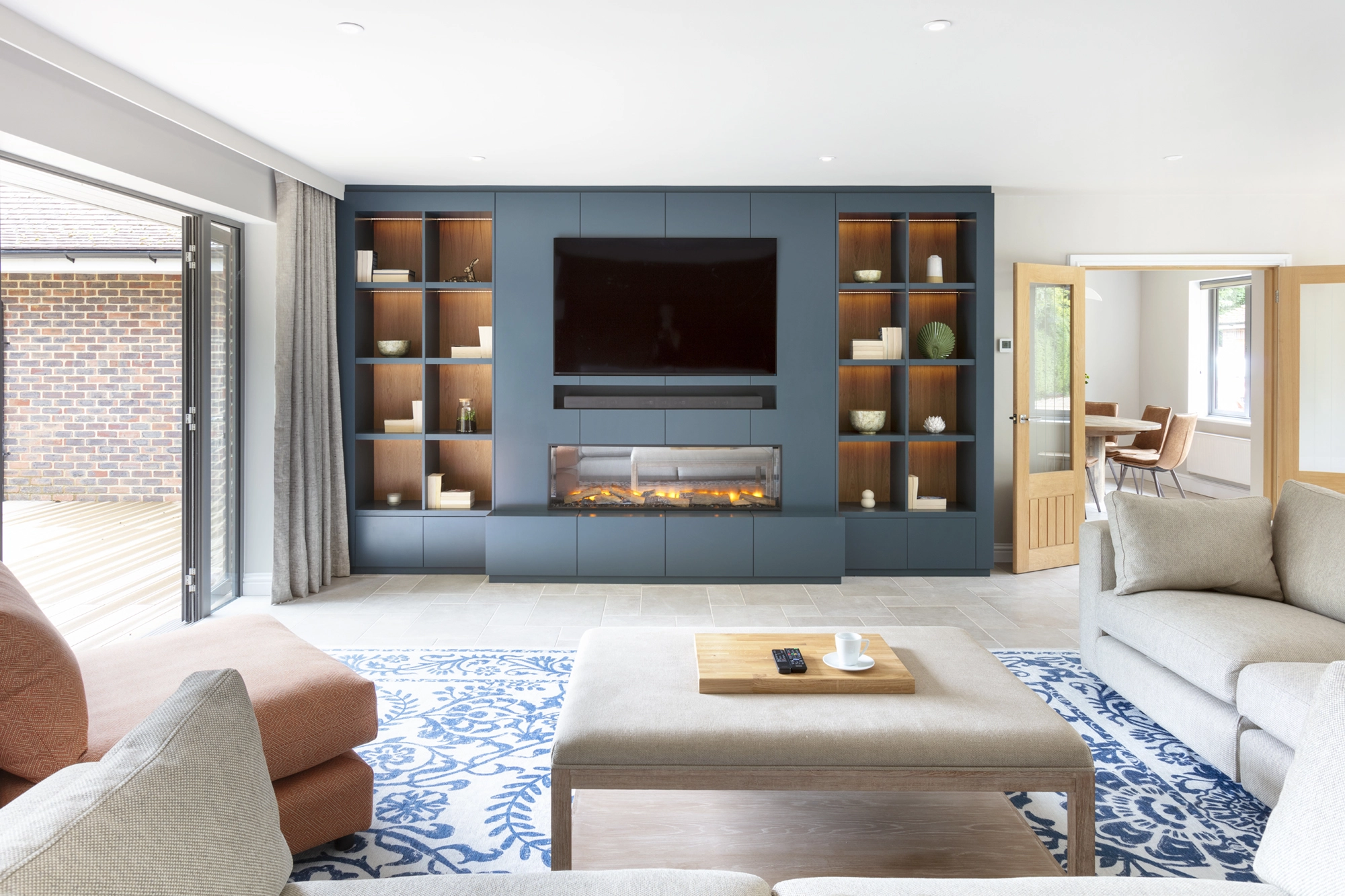
Luxury interior design is evolving. While beautiful finishes and bespoke craftsmanship remain essential, today’s most desirable homes are designed to feel as good as they look. Increasingly, affluent homeowners are prioritising wellbeing, mental health and long-term comfort alongside aesthetics.
This shift is backed by science. Research from environmental psychology, neuroscience and health design now clearly shows that our surroundings directly affect stress levels, sleep quality, mood, focus and even hormonal balance. When applied thoughtfully, interior design becomes a powerful wellness tool.
At Harmony Design, we believe true luxury is stress-free living. This article explores how scientific interior design choices can transform high-end homes into deeply restorative wellness sanctuaries, without compromising on elegance.
Wellness home design is no longer a trend; it’s a fundamental shift in how luxury is defined. Post-pandemic lifestyles, increased awareness of mental health, and the rise of remote working have all contributed to homeowners wanting spaces that actively support wellbeing.
This is where luxury interior design psychology comes into its own, blending beauty with scientific intent.
Question: How does colour psychology work in luxury interior design?
Answer: Colour has a measurable psychological impact on the brain, influencing emotional responses, heart rate and energy levels. In high-end homes, colour choices should be intentional rather than trend-led.
In wellness-focused luxury interiors, colour is layered subtly through wall finishes, upholstery and natural materials rather than bold statements. The result is a space that feels grounded, timeless and emotionally balanced.
This approach is particularly beneficial for families, neurodivergent individuals, and clients seeking restorative environments.
Question: What is biophilic design and how does it benefit luxury homes?
Answer: Biophilic design, the practice of connecting interiors to nature, is one of the most evidence-backed approaches in mental health interior design.
Scientific studies show that exposure to natural elements can:
In high-end residential wellness design, biophilia goes far beyond adding a houseplant:
When thoughtfully integrated, biophilic luxury design creates homes that feel instinctively calming; spaces the nervous system recognises as safe.
Question: How does lighting design affect wellness in luxury homes?
Answer: Lighting is one of the most overlooked yet impactful aspects of healthy home design. Poor lighting disrupts circadian rhythms, affecting sleep, hormones and mood.
In premium homes, lighting should feel effortless, never clinical or overly dramatic. Intelligent lighting design quietly supports wellbeing while enhancing architectural details and finishes.
This is especially important in open-plan luxury homes, where lighting must create psychological zoning without physical barriers.
Question: Why is acoustic comfort important in luxury interior design?
Answer: Noise is a significant contributor to chronic stress, yet acoustic comfort is often ignored in residential design.
Uncontrolled sound — echoes, external noise, or open-plan reverberation — keeps the brain in a heightened state of alert. Over time, this can increase anxiety and fatigue.
A truly luxurious home feels peaceful, even when occupied. Acoustic comfort is key to achieving that sense of calm.
Question: How do material choices affect wellbeing in luxury homes?
Answer: Materials don’t just affect how a space looks, they influence how it feels on a subconscious level.
This approach not only supports physical health but also creates interiors that age beautifully and feel emotionally grounding.
Question: How do you create a personalised wellness sanctuary in a luxury home?
Answer: There is no one-size-fits-all approach to luxury wellness design. A home should respond to the people living in it, their routines, sensitivities, and long-term needs.
At Harmony Design, we approach every project with a deep understanding of:
By combining scientific interior design with bespoke luxury aesthetics, we create homes that don’t just impress, they support, restore and nurture.
At Harmony Design, we specialise in creating high-end homes that prioritise both stunning aesthetics and scientific wellness principles. Our approach integrates:
✓ Evidence-based design backed by environmental psychology research ✓ Bespoke solutions tailored to your family’s unique needs and lifestyle ✓ Sustainable luxury that supports long-term health and wellbeing ✓ Expert craftsmanship combined with scientific understanding
We understand that true luxury isn’t just about beautiful finishes, it’s about creating spaces that actively support your mental and physical wellbeing.
Luxury is no longer defined solely by price or prestige. The most valuable homes are those that enhance quality of life, support mental health and offer sanctuary from an increasingly demanding world.
If you’re considering a renovation or new build and want your home to feel as good as it looks, thoughtful, wellness-led design is where true luxury begins.
Let’s create a home that doesn’t just impress — it nurtures, restores, and supports your wellbeing.
Wellness-focused luxury interior design combines high-end aesthetics with scientific principles from environmental psychology, neuroscience, and health design to create spaces that actively support mental and physical wellbeing.
Biophilic design connects interiors to nature through natural materials, organic shapes, and framed views. Scientific studies show this approach reduces stress, lowers blood pressure, improves focus, and enhances sleep quality.
Colour psychology is crucial because colours directly influence brain function, affecting heart rate, energy levels, and emotional responses. Strategic colour choices can reduce cortisol levels, promote calm, and improve concentration.
Proper lighting design supports circadian rhythms, which regulate sleep-wake cycles, hormone production, and mood. Layered, warm lighting in evenings promotes melatonin production, while maximising natural daylight boosts energy and mental clarity.
Acoustic comfort is vital because uncontrolled noise keeps the brain in a heightened state of alert, increasing anxiety and fatigue over time. Thoughtful acoustic design creates peaceful environments that support mental wellbeing and relaxation.