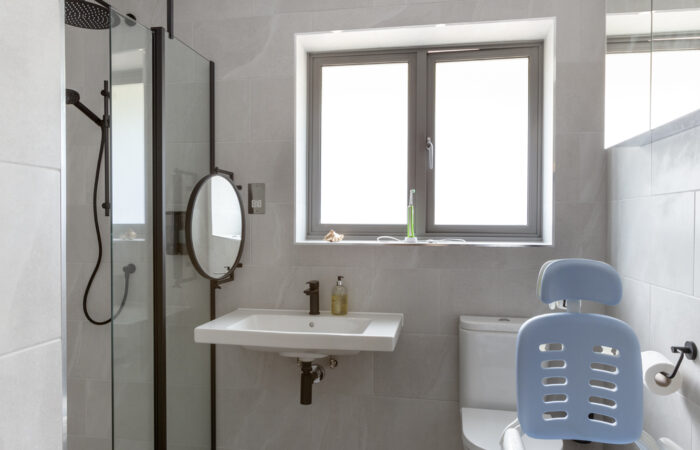
When it comes to designing a beautiful, functional, family-friendly home in Dorset, Poole, or across the South UK, the synergy between an architect and an interior designer can make all the difference. Their combined expertise ensures structural integrity, spatial flow, aesthetics, and liveability are seamlessly woven together — resulting in a home that is as breathtaking as it is practical.
In this blog, we’ll explore how this partnership works, why it benefits homeowners (especially those seeking family-friendly interior design), and how you can make the most of it for your own project.
Historically, architects and interior designers often worked independently. The architect focused on the structure — layout, building codes, lighting penetration, windows, doors, and circulation — while the interior designer came in later to style or “decorate”. But this separation sometimes led to friction: structural elements that clashed with furnishing plans, mechanical systems interfering with layouts, or lighting and acoustic issues overlooked until too late.
A better approach is to have both professionals collaborate from the outset. When architects and interior designers co-create, they consider the full picture: structural strategies paired with architectural character, floor layouts integrated with furniture flow, and technical systems (HVAC, plumbing, lighting) aligned with aesthetic goals. The result: fewer costly changes later, better use of space, and a more holistic outcome that delivers both form and function.
In particular, for residential interior design Dorset/Poole/South UK projects, where local planning constraints, site-specific challenges, and regional materials come into play, early coordination is essential. For families, designing for flexibility, durability, safety, and long-term adaptability is key. This is where “family-friendly interior design” becomes a guiding principle, woven into both the architectural framework and the interior detailing.
One of the greatest advantages of an integrated approach is cost control. When architects and interior designers collaborate early, fewer surprises emerge later — meaning fewer expensive changes or “value engineering” compromises. You’re less likely to have to retrofit lighting, rethink storage layouts, or rework plumbing just to make furniture or finishes fit.
Moreover, investing in expert design yields strong returns. (You might like to revisit our article on The Real ROI of Interior Design.) That article explores how well-executed interior design can increase your home’s value, reduce lifecycle costs, and enhance wellbeing.
When architecture and interiors are conceived together, transitions between rooms feel effortless. Light, sightlines, heights, and material choices are all calibrated with intention. For a family home, this means the flow between play areas, living spaces, kitchens, bedrooms, and outdoor zones becomes more coherent and practical.
A family-friendly interior design must respond to children (of all ages), active lifestyles, storage needs, circulation safety, and durable finishes. The architect anticipates future expansion, creates zones that adapt over time, and supports layout decisions like built-in storage and flexible partitions. The interior designer complements this by introducing finishes, furnishings, and textures that balance beauty with practicality.
In Dorset, Poole, or elsewhere in the South UK, local climate, vernacular styles, and regional materials matter. Architects negotiate planning authorities, respond to topography and orientation, and propose structural strategies suited to the locale. Interior designers then complement that with regionally appropriate materials, lighting, and furnishing palettes that feel rooted yet refined. The resulting home feels timeless, functional, and perfectly in tune with its setting.
From the beginning, involve both the architect and the interior designer. During early discussions, share your lifestyle needs, routines, and aesthetic preferences. This is also the moment to imagine how rooms might evolve as your family grows. Having both professionals at the table from the start ensures a shared understanding and cohesive vision.
Next, the architect develops the building’s orientation, structure, and circulation, while the interior designer defines furniture zones, storage, lighting concepts, and material direction. Together, they refine layouts so that windows, walls, and features align perfectly with the interior intent. Early 3D visuals help bring ideas to life.
With the overall concept agreed, both professionals move into detailing. The architect refines technical drawings and construction details, while the interior designer finalises joinery, finishes, lighting, and bespoke elements. Regular coordination meetings ensure potential conflicts — such as ceiling beams impacting lighting design — are resolved efficiently.
As your project moves into the build stage, the architect oversees construction quality and compliance, while the interior designer manages sourcing, schedules, and installation of interior elements. Ongoing collaboration keeps the project aligned with your design intent and budget.
Once complete, the interior designer fine-tunes styling and finishing touches while the architect ensures structural quality and performance. A joint aftercare review helps identify any refinements and ensures your home lives beautifully from day one.
Combining two disciplines can sometimes expand scope — but clear roles, detailed budgets, and transparent communication keep things on track. Defined stages and contingency planning are key to smooth delivery.
Architects may prioritise spatial purity; interior designers may emphasise comfort and texture. The best collaborations happen when both respect each other’s strengths and maintain open dialogue. A unified vision, rather than compromise, emerges from genuine collaboration.
Detailed documentation is essential. Drawings, specifications, and regular check-ins ensure nothing slips through the cracks. Tools like shared 3D models or BIM help teams visualise and coordinate efficiently.
Ideally, both professionals join early in the design process. If your architectural design is already underway, integrate an interior designer as soon as possible so they can influence the details before construction progresses too far.
Family homes evolve. Children grow, hobbies change, and spaces adapt. The architect can plan for flexible structures, while the interior designer ensures spaces, finishes, and furniture evolve effortlessly over time.
Children and pets require durable materials, safe circulation, and thoughtful design. These aren’t just finish decisions—they begin at the architectural level. Together, the architect and designer create homes that are safe, beautiful, and practical.
Busy families need distinct zones for work, rest, and play. Architects handle layout and acoustic separation; interior designers reinforce it through furniture, materials, and soft furnishings that enhance comfort and calm.
In the South UK, connecting interiors to gardens and terraces can transform family life. Architects design the openings; interior designers create the flow and furnish it for year-round use, balancing play and relaxation.
Imagine a young family in Poole commissioning a new home. The architect positions the building to capture light and views, designs a flexible family wing, and establishes generous open living areas. The interior designer then layers in functionality — bespoke joinery, resilient finishes, clever storage, and harmonious lighting.
When a late change arises — a duct conflicting with a feature ceiling — both professionals collaborate to rework the detail gracefully. The result is seamless: a refined, family-friendly home that feels calm, coherent, and enduringly elegant.
Engage both early in the process.
Define clear roles and responsibilities.
Schedule regular coordination meetings.
Use shared drawings and digital tools.
Stay open to creative solutions.
Prioritise durability, flexibility, and comfort.
Keep a contingency for finishing upgrades.
Stay involved — your feedback matters.
For further insights, see 10 Signs You Need an Interior Designer for Your Home.
When architects and interior designers truly collaborate, your home becomes far more than a structure with decoration — it becomes a cohesive, thoughtful environment that supports how your family lives every day. For residential interior design projects in Dorset / Poole / South UK, this partnership is transformative, ensuring every detail works in harmony.
Transform your home with expert guidance — contact Harmony Design Ltd today to begin your journey toward a beautifully balanced, family-friendly home.